What a Proper Door Knob Lock Replacement Actually Involves
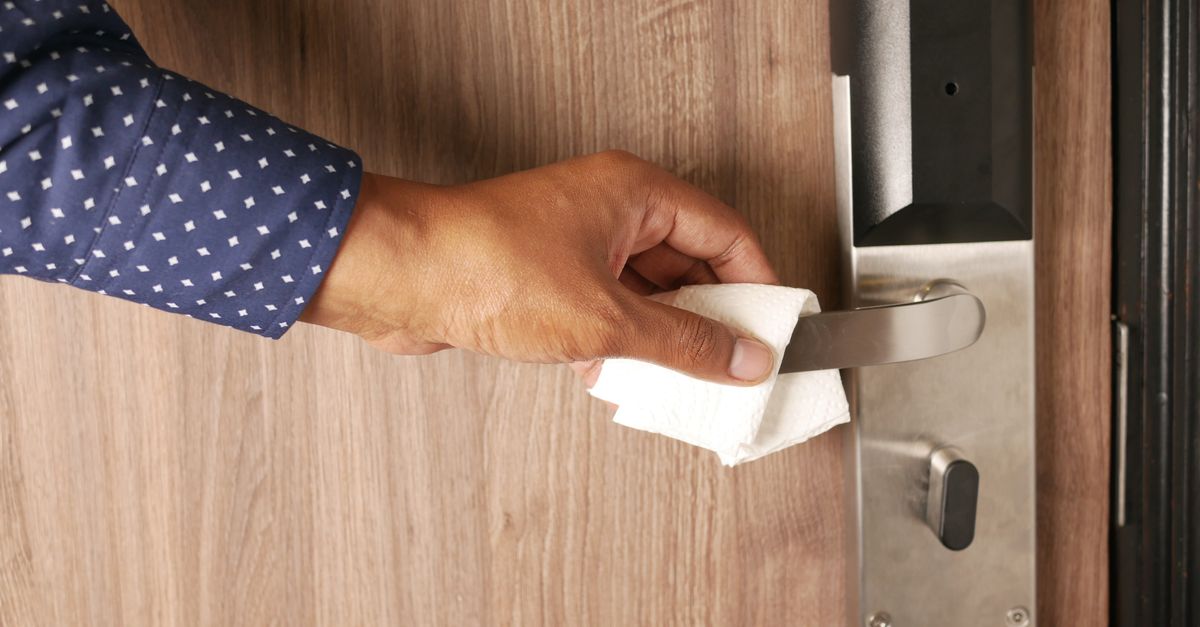
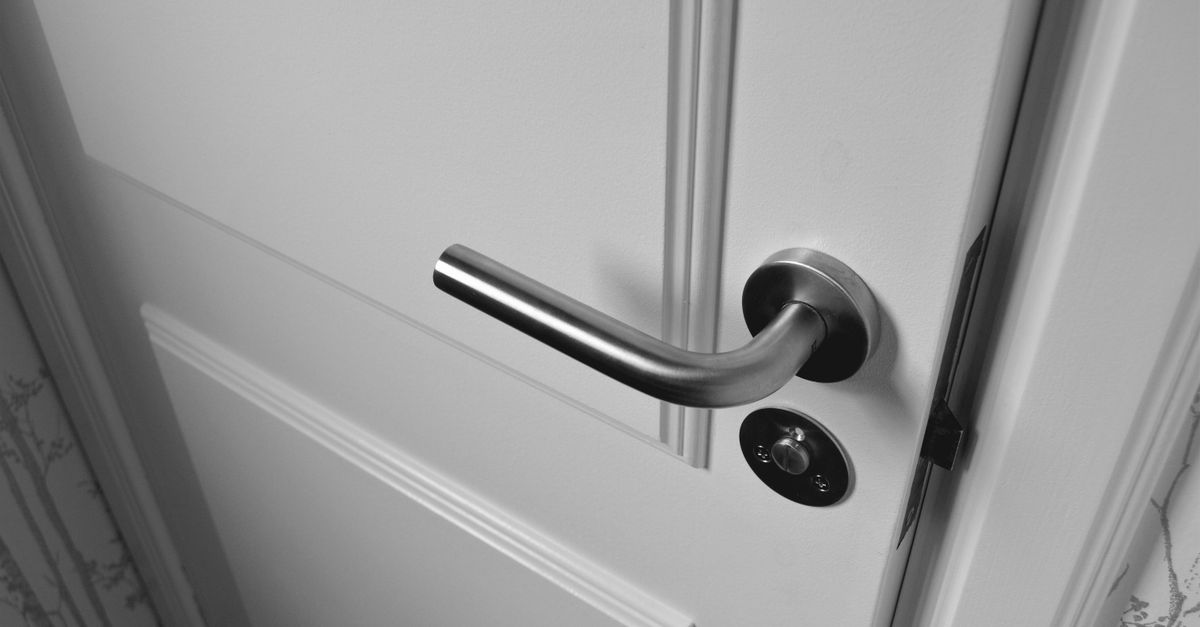
Most homeowners assume swapping a door knob with lock is a quick DIY task — unscrew two bolts, pull the old knob off, push a new one on. In practice, that's the best-case scenario for a standard bored-hole installation with matching backset measurements. The moment the existing hardware is non-standard, the door is a steel exterior slab, or the strike plate is misaligned, the job becomes a precise trade task. Our technicians assess bore diameter, backset distance (2-3/8" vs. 2-3/4"), door thickness, and the condition of the frame and strike before recommending any hardware. That assessment prevents the frustrating situation where a homeowner buys a brand-new lock door knob at a hardware store, only to discover the holes don't line up.
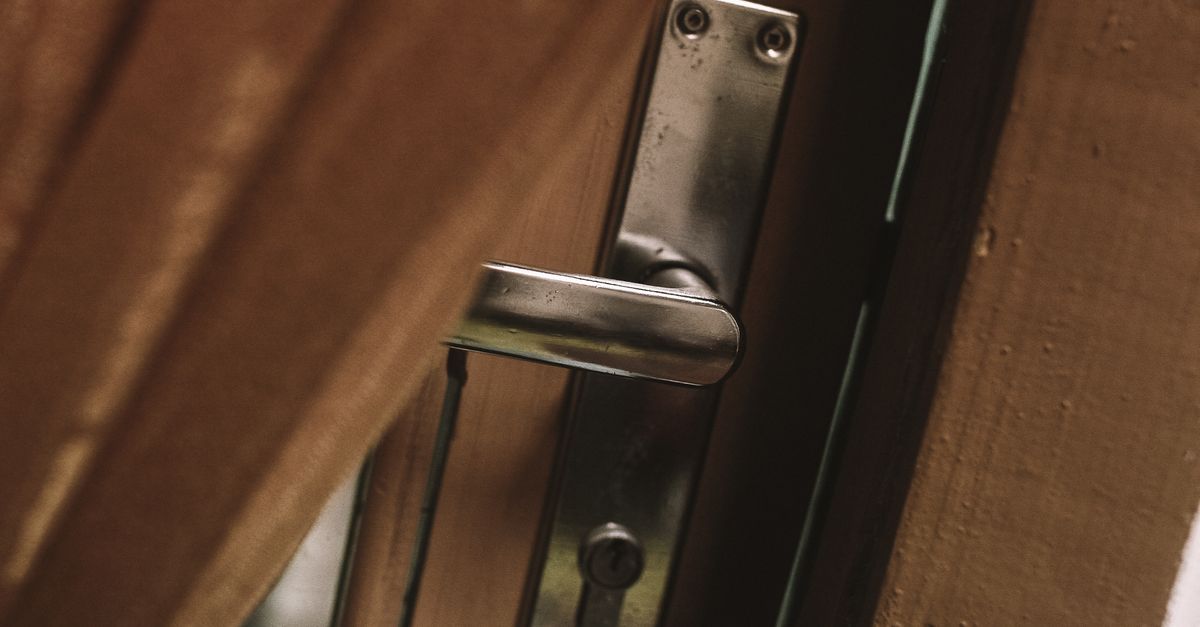
For properties along older residential blocks in Deer Park — where homes built in the 1960s and 70s are common — we frequently encounter mortise lock assemblies rather than the cylindrical bored-hole locks most people picture. A mortise lock is a rectangular cartridge that fits into a pocket (the mortise) cut into the door edge. It integrates the latch, deadbolt, and sometimes a privacy bolt into one unit and is significantly more secure than a standard knob lock. Servicing a mortise lock requires removing the entire case, inspecting the internal cam and levers, and either refurbishing it or replacing it with a matching-spec unit. It's skilled work — and it's one of our core services.