Why Staff Turnover Demands a Commercial Rekey or Lock Change — Not Just a Key Collection
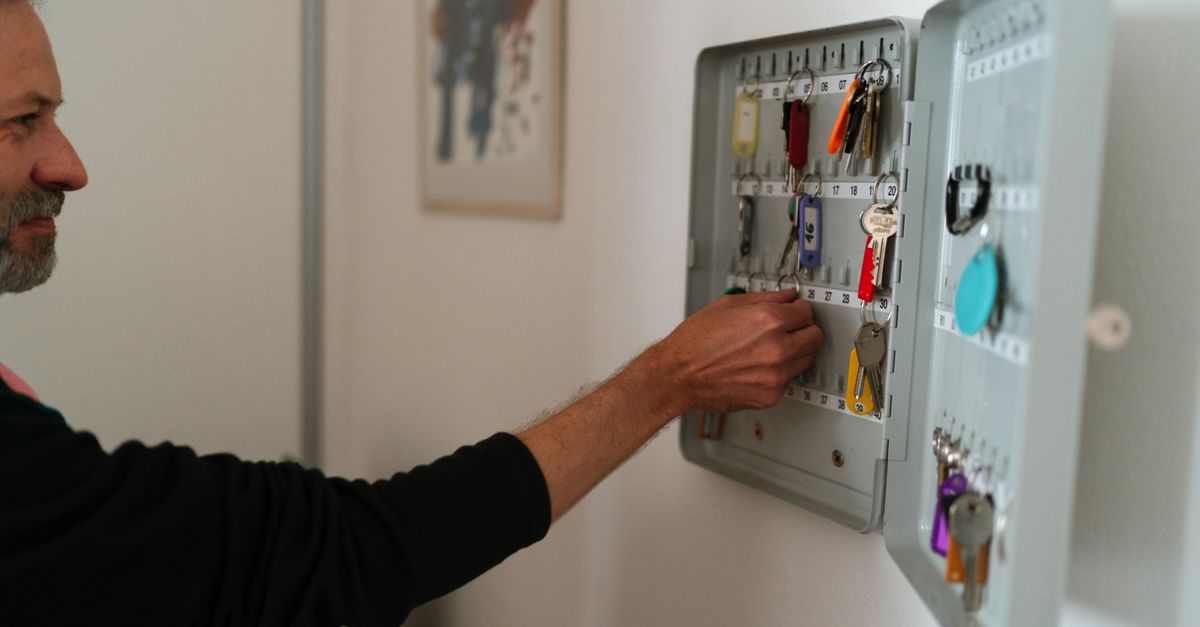
Most business owners assume that collecting keys from a departing employee closes the security loop. It doesn't. Keys are trivially easy to duplicate — any hardware store or kiosk can copy most standard keys in under two minutes. Unless you issued high-security, restricted-keyway keys with copy-protection built into the manufacturer's design, you have no reliable way to know how many copies of your office or warehouse key are in circulation. A rekeying service solves this by physically altering the internal pin configuration of your existing lock cylinders, rendering every previously cut key permanently useless. A full commercial lock change goes one step further, replacing the hardware entirely — the right choice when locks are worn, damaged, or when you're upgrading to a higher security grade at the same time.
Rekeying is also significantly more practical than it sounds. A trained technician can rekey a mortise lock, a cylindrical lock, a deadbolt, or even a panic device trim cylinder on-site in a fraction of the time it would take to replace the entire lockset. For businesses that use a master key system — where different employees have access to different zones — rekeying lets you restructure that hierarchy without tearing out hardware that's otherwise in perfect condition. The decision between rekeying and a full door lock change depends on the condition of your existing hardware, your desired security tier, and whether your current lock grade is appropriate for your occupancy type. Our technicians assess all of this during the service call and walk you through the options before any work begins.